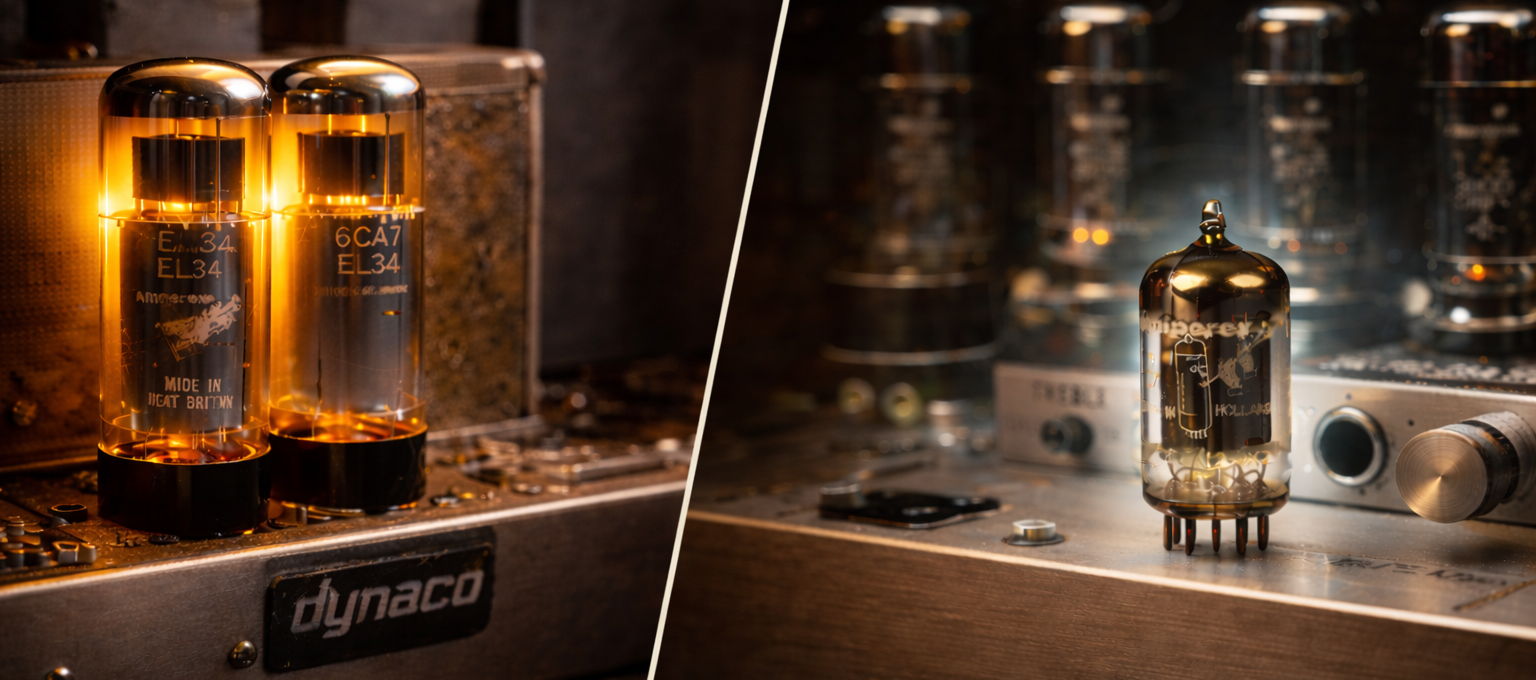
If you’re chasing better tone from your tube amp, you’ve probably asked:
“Which tubes matter more — preamp or power tubes?
The answer?
It depends entirely on the amp.
Some amps get most of their sound from the preamp stage (the smaller tubes like 12AX7). Others — like the Dynaco ST-70 — are all about the power tubes (like EL34, 6L6, KT88, etc.).
Let’s break it down so you can spend your money (and attention) where it matters.
In Guitar Amps and Integrated Hi-Fi: The Preamp Tubes Matter More
Now flip that: what if you’re using a guitar amp or a hi-fi integrated amp with a preamp section built around 12AX7s.
In those cases, the first gain stage — the first tube in the circuit — shapes a ton of what you hear.
For example:
In a Fender Deluxe Reverb, V1 (the first 12AX7) sets the EQ, response, and gain.
In a McIntosh C22 preamp, the 12AX7s shape the signal before it ever hits the power amp section.
Swap those tubes, and:
The amp might get brighter or darker
Gain might smooth out or break up earlier
Noise floor might rise or fall
Overall tone might shift dramatically
Rule of thumb for 12AX7-based preamps and guitar amps:
V1 is often the most important tube in the whole amp. It defines the flavor of the signal from the start.
In Power Amps, the Power Tubes Define the Sound
Take the Dynaco ST-70 — one of the most famous hi-fi tube amps of all time. It runs four EL34 output tubes, one rectifier, and two driver tubes (usually 7199s or a substitute).
In this kind of setup, the output tubes shape the tone.
They drive the speakers directly. They handle the power.
They control the harmonic structure, warmth, and overall “feel” of the amp.
Swap a set of Mullard EL34s for modern ones and you’ll immediately hear it.
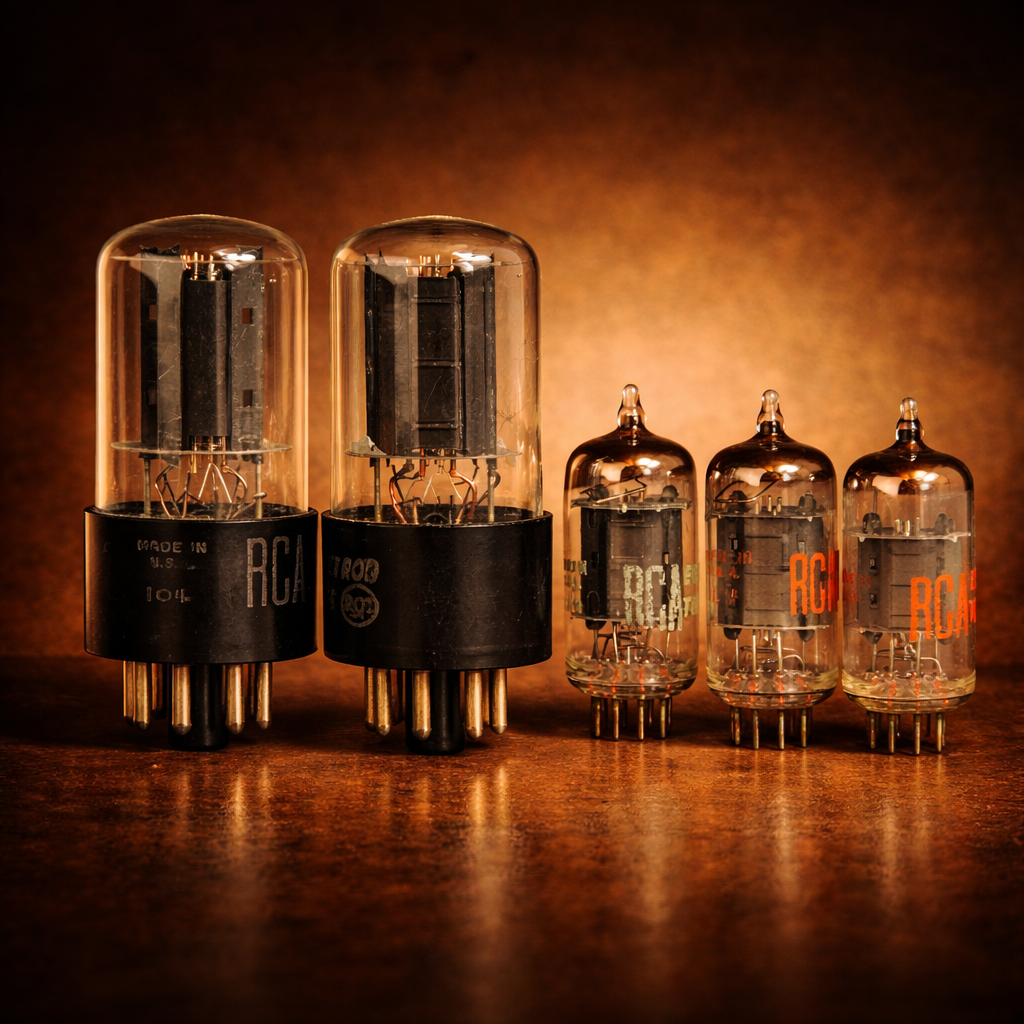
Swap the 7199 driver tubes? You might notice better imaging, lower noise, or a little more clarity — but it’s not the same kind of shift.
Rule of thumb for power amps like the ST-70:
Change your output tubes first. That’s where the magic (or problems) usually live.
So Which Tubes Should You Upgrade First?
Here’s a simple guide depending on what you own:
| Amp Type | Tubes That Matter Most First | Brands to Consider |
|---|---|---|
| Power Amp (e.g. Dynaco ST-70) | Power/Output tubes (EL34, 6L6, KT88) | Mullard, Amperex, Telefunken |
| Hi-Fi Integrated Amp | Preamp tubes (12AX7, 12AU7) | Telefunken, Amperex, Mullard |
| Guitar Amp | First preamp tube (V1 = 12AX7) | RCA, GE, Telefunken, Mullard |
| Modern Tube Amp with tone stack | Depends — but V1 and outputs are top priorities | Match to your use (gain vs clean) |
If you’re not sure what matters most in your specific amp, email us at Support@Fuzz Audio.com — we’re happy to walk you through it.
What About Rectifiers and Driver Tubes?
Good question—these get talked about a lot.
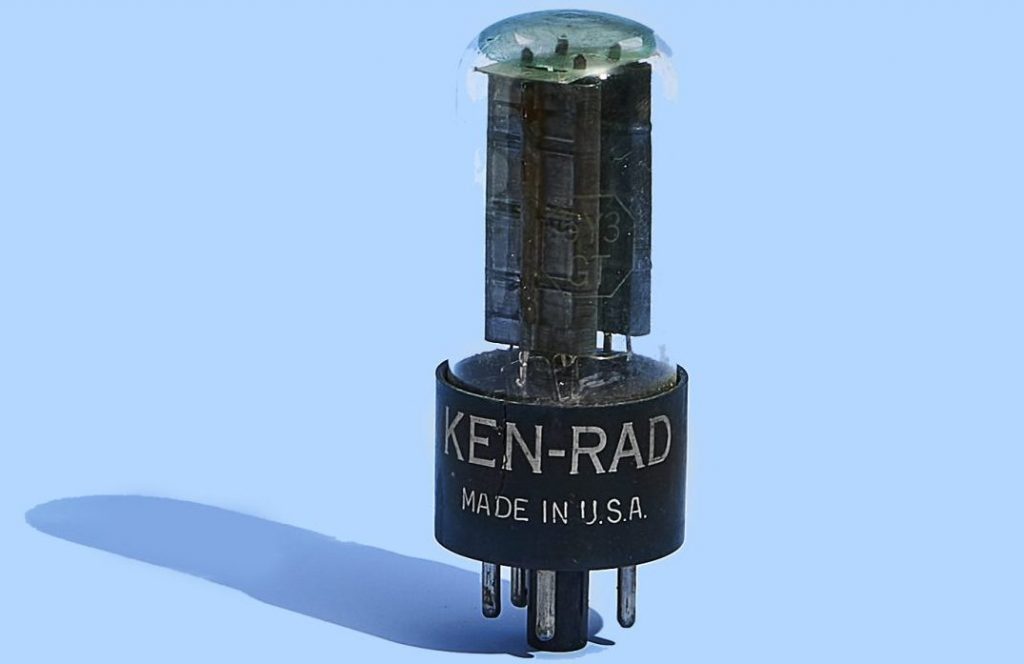
Rectifiers do matter, but not in the way most people think. They don’t change your tone as much as they change how the amp feels. A GZ34 will be tighter and faster with more headroom, while a 5Y3 will sag more, compress more, and give you that softer attack.
In hi-fi gear, it’s less about feel and more about how steady and solid the power delivery is, which can affect things like low-end control and overall stability.
Driver tubes are even more misunderstood. Tubes like the 7199 or 6SN7 can influence clarity and dynamics depending on the circuit, but they’re rarely the reason an amp suddenly sounds completely different. They’re more like fine-tuning.
If one of these tubes is bad, you’ll know—noise, imbalance, strange behavior. Replace it. But if it’s working properly, this isn’t where we would start if you’re chasing better tone.
Final Thoughts
Not all tube swaps are equal, and where you start depends on the amp in front of you.
If you’re working with a power amp like a Dynaco ST-70, the output tubes will move the needle the most. That’s where you’ll hear the biggest shift in weight, headroom, and overall character.
If you’re running a guitar amp or a hi-fi integrated built around 12AX7s, the first preamp tube (V1) is often the most important tube in the entire circuit. That’s where the signal takes its shape.
Everything else—rectifiers, drivers—comes after that.
The goal isn’t to swap everything. It’s to change the right thing first.
Start there, use properly tested tubes, and you’ll get a lot closer to the sound you’re after without wasting time or money.
If you’re not sure where to begin, just ask.